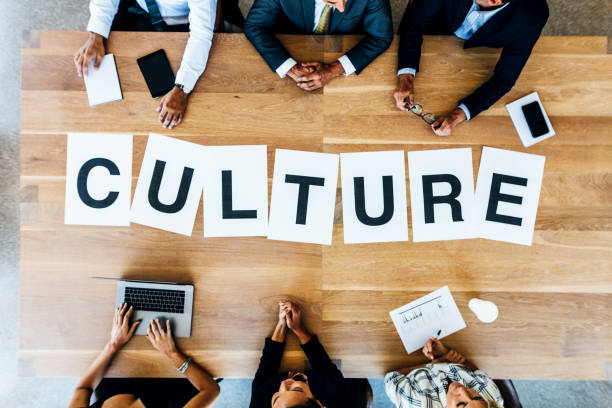
In a world obsessed with metrics, dashboards, and quarterly results, it’s easy to forget that organizations are made of people—not spreadsheets. I recently watched a short but powerful video by Gary Vaynerchuk titled “Gary Vaynerchuk on Culture”, and it struck a chord. Not because it offered a new framework or a clever acronym, but because it reminded me of something fundamental: culture is not a strategy—it’s the way we treat each other.
Culture Is the Foundation, Not the Outcome
Gary’s message is clear: culture isn’t a tool to drive performance—it’s the soil from which everything grows. If the soil is toxic, nothing thrives. If it’s healthy, people flourish—and yes, performance follows. But that’s not the point. The point is that culture matters because people matter.
We often talk about culture in abstract terms—values, mission statements, perks. But culture is concrete. It’s how we behave when no one’s watching. It’s how we respond to mistakes. It’s whether we listen when someone speaks. It’s whether people feel safe to be themselves.
The Role of Leadership: From Control to Care
One of the most striking ideas Gary shares is the concept of a Chief Heart Officer—a role he created at VaynerMedia to ensure that empathy, emotional intelligence, and human connection are embedded in the company’s leadership. Not just HR. Not just management. Heart.
This isn’t about being soft. It’s about being real. When leaders care about how people feel, they create environments where people can do their best work. Where they can grow. Where they can challenge each other without fear. Where they can fail and still feel valued.
Behaviors That Build Culture
Culture isn’t built in workshops or retreats. It’s built in the everyday. Here are some behaviors that shape a human-centered culture:
- Listening actively—not just to respond, but to understand.
- Recognizing effort, not just outcomes.
- Creating psychological safety, where people can speak up without fear.
- Leading with clarity, so people know what’s expected and why it matters.
- Showing up consistently, because trust is built over time.
These aren’t revolutionary ideas. But they’re rarely practiced with intention. And that’s the difference.
Why This Matters
As a Technical Support Manager, I’ve seen how culture affects everything—from how teams collaborate to how customers are treated. When people feel safe, seen, and supported, they don’t just perform better—they become better teammates, better problem-solvers, better leaders.
And when culture is neglected? Even the most talented teams can fall apart. Miscommunication, burnout, disengagement—they’re all symptoms of a culture that’s been treated as optional.
Final Thought
Culture is not a KPI. It’s not a line item. It’s not a quarterly initiative.
It’s the invisible architecture of your organization.
And if you don’t build it with care, everything else will eventually collapse.
Let’s stop asking how culture drives output.
Let’s start asking how culture makes us better humans.
 Leaders of Tomorrow
Leave a comment